Tuesday, June 15, 2010
Old Friends
Miss Anderson's first graders, 1941
One September morning when I was five years old, my mother pinned my name to my sweater and sent me down the long driveway with neighbor and “big sister” Marcella to wait for the school bus. I was so excited I couldn’t stop trembling.
What a day of firsts! My first bus ride. My first day in the big brick building that would be my second home for the next seven years. My first time to sit still for long periods of time until given permission to move. My first teacher. My first time to face more than forty little people my own age, some of whom, though I didn’t yet know it, would become lifelong friends.
Kids who lived in town shared not only school experiences but also out-of-school life as well. They grew up knowing everybody in town and all their stories. Bus kids like me missed out on small-town life, but after-school activities and sleep-overs with friends helped to fill in the gaps.
Because our school was small, our class moved in lockstep through the academic offerings until high school gave us a few electives. Boys and girls took separate physical education classes. Most boys took wood shop. Most girls signed up for home economics, although the good smells of cooking brought the boys clustering around the home ec door in hopes of handouts. We all went to the after-school ball games to cheer for our team, the Tigers.
Our twelve years as classmates flew by. Of the forty or so children who began first grade together, some moved away or dropped out. Others joined us later. Twenty-four of us made it to graduation together.
Then we scattered to follow different paths...some to jobs, some to marry and start families, some to military service, some to college. Many continued the friendships forged in school, although some of us reconnected only at high school reunions.
Now we are all in our seventies. Seven or eight years ago, Nancy retired from her paying job and decided it was time to do what she’d thought about for years. She began calling classmates, suggesting that those who lived nearby get together for lunch. Since then we have met on the 2nd Thursday of every other month for lunch. Spouses come too, as well as a few friends from other classes.
Death has claimed a few of us. At classmate Dick’s funeral last year, we came as a group to say goodbye. We’ve encouraged each other through illness and loss of family members. We ask after each other’s children. We tell stories of our lives. Of course we reminisce about our shared memories.
Some classmates travel elsewhere in the winter but come back to join us in the summer. Others live far away, but occasionally return to touch base. At our last luncheon, seventeen people came. Of those, eleven of us had started first grade together back in 1941. Sixty-nine years, and we’re still enjoying each other’s company.
Sarri Gilman was talking about Baby Boomers on Facebook in a recent column in The Herald, but what she said is worth remembering, no matter what our age: “...if you do open yourself, you will find that restoring some of these very old friends from the past can be enriching. By the time you get to 50, life has leveled the field. Everyone has had enough reality to realize we are all tender beings, and life is short.”
There’s a lot of truth in the adage, “Old friends are the best friends.”
Classmates at 55th reunion, 2009
Friday, May 28, 2010
A Sonnet to Sunny
As Memorial Day draws near, we remember dear ones who have gone before. There's sadness at the separation, but memories of their unique qualities and their love bring great joy, as well.
Our friend Dr. Jerry Rusher wrote this lovely poem for his wife Wanda, who went home to heaven two years ago. He and Wanda loved to hike, and the inspiration for the poem came one morning as they watched the sun birth a rainbow in the mist of a mountain waterfall.
A Sonnet to Sunny
Dewdrops forming on the grass
Lie hidden to the watching eye,
Yet how they gleam like beads of glass,
When the sun climbs in the sky.
**
**
A cascade falls in shadows dim,
While a mist obscures the air
'Til rays of light come bursting in,
And lo! There shines a rainbow fair.
**
**
My sunny one, you're like the dew,
Or the misty waterfall,
As the Son comes shining through.
This quivering heart becomes enthralled,
To see reflected in your eyes
The tender love of Jesus Christ.
by Jerry Rusher
Wednesday, May 26, 2010
Memorial Day...A Vet Remembers Buchenwald
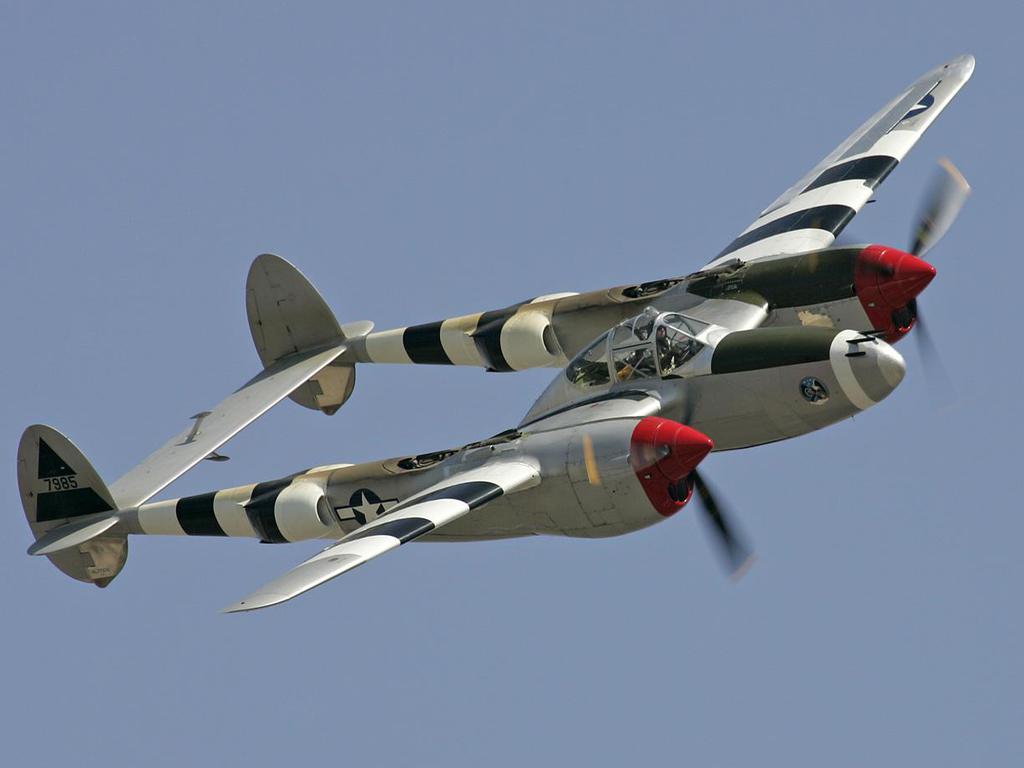
On August 13, 1944, Joseph F. Moser, a 20-year-old farm boy from the little town of Lynden, Washington, found himself far from home. The battle for Europe was raging in the skies over occupied France. Joe was the new flight leader for his squadron of four P-38 Lightning fighter planes, each of which carried two 500-pound containers of high explosives beneath their wings. He had already flown nearly 40 missions, but this day Joe’s fight for survival would really begin. His story, as told by Gerald R. Baron, is found in his book, A Fighter Pilot in Buchenwald.
He found himself surrounded by French farmers who’d seen what happened. They cut off his parachute and hid it, his helmet, and other pilot’s equipment under shocks of grain and motioned for him to join them in picking up the harvested grain. Within minutes the field swarmed with German soldiers looking for the pilot of the crashed plane. When the soldiers left, two young French men motioned him to follow them across the fields toward some trees. They were running as fast as they could when they heard the German motorcycles coming back. Joe was captured, along with the young men, and tossed into a windowless stone building. After a while, the men were taken out and Joe heard shots.
Shortly thereafter, he was thrown into a prison in Fresnes, France. Within days, the French resistance forces (considered terrorists by the Germans) had begun to openly fight against the occupiers. On August 25, the Allies entered Paris, and the Germans were frantic to get their prisoners deep into German territory. They crammed them into cattle cars, 95 people in a space meant for eight cattle. For five nightmarish days and nights they rode, starving, sick, with only a bucket for a toilet, until they reached a German prison camp. It wasn't a Prisoner of War camp, where, according to conventions of war they should have been held, but Buchenwald, one of Germany’s dread concentration camps where prisoners were worked and starved to death. Until he landed there, Joe didn't know about these places and the Nazi's plan to exterminate the world’s Jews and all others they hated. Neither did the rest of the world until Buchenwald and other camps were liberated eight months later.
Joe spent two months in Buchenwald, one of 168 captured Allied airmen among some 80,000 other prisoners. These 168 were marked for execution by the German SS, who considered them terrorists because the French resistance had helped them. Just days before their scheduled execution, they received a visit by high-ranking Luftwaffe officers, who made no secret of their disgust at the treatment their fellow pilots had received at the hands of the SS. Again the Allied pilots were loaded onto cattle cars, less crowded this time, and taken to the first of several POW camps. Although conditions were still miserable, they were given enough food to ward off starvation and their families finally received word of their whereabouts.
When the men at last were liberated, Joe couldn’t stop eating. He put on 60 pounds in a month, and when he got home, people couldn’t believe he’d been in Buchenwald. In fact, two weeks after returning home, he was asked to speak to a local Lion’s club and did his best to tell about his experiences. Walking out of the room afterward, he overheard one man tell another, “I didn’t believe a word of it.” That was the last time Joe spoke about his experiences, except for his debriefing by a young officer when his 60-day leave was up. This officer flatly denied there’d been any Americans held at Buchenwald, and Joe says that to this day, no American flag flies among those of the other nations whose citizens were held prisoner there.
Not only was Joe unable to share about his experiences with anyone, for over forty years, he had nightmares about what he thought had happened to the Frenchmen who tried to help him and also to the family he imagined had burned to death in the house where his plane had crashed. Then one day in 1988 he learned the truth. Everyone had miraculously escaped.
Joe says he’s proud to have served his country. “If there is one thing to leave you with, it is that common ordinary people just like you and just like me can once in a while be called upon to show extraordinary courage and strength...Never, ever forget the price that many have paid to protect our precious freedom.”
This Memorial Day as always we’ll take flowers to where my parents rest in our home town cemetery. We’ll note, as always, the small flags fluttering on the numerous graves of those who fought for America. Some of those veterans laid down their lives as far back as World War I, some only recently. I will lift up my heart in thanksgiving for Joe Moser and each military person, dead or still alive, who gave or is giving so much for my freedom.
May God make us, and our nation, worthy of their sacrifices.
![]() |
| https://clockworkconservative.files.wordpress.com/2012/01/lockheed-p-38-lightning.jpg |
The Allies were working hard to cut the Nazi supply lines across France, so when Joe saw German trucks stopped on the road below, he led his squadron in a dive to wipe them out. As flak erupted all around them, he realized they’d been lured into a trap. His twin boom fighter shuddered as the left engine took a direct hit and burst into flames just 200 feet above the ground.
Joe pulled the plane into a sharp climb, released his load of bombs where they’d not hurt any French citizens on the ground, and headed for his base in England. Fire crept up the wing as his crippled plane limped for home. When the cockpit glass exploded and he felt himself burning, he flipped the plane over and dropped out. But mysteriously, he didn’t seem to be falling away from the plane. He realized the toe of his boot was caught in the cockpit and the ground was coming up fast. At the last minute, the leather tore, releasing him to fall free. At 400 miles per hour, he pulled the rip cord and his parachute billowed, jerking him to a sudden stop moments before he hit the ground. His plane plunged into the ground next to a house nearby and exploded.
He found himself surrounded by French farmers who’d seen what happened. They cut off his parachute and hid it, his helmet, and other pilot’s equipment under shocks of grain and motioned for him to join them in picking up the harvested grain. Within minutes the field swarmed with German soldiers looking for the pilot of the crashed plane. When the soldiers left, two young French men motioned him to follow them across the fields toward some trees. They were running as fast as they could when they heard the German motorcycles coming back. Joe was captured, along with the young men, and tossed into a windowless stone building. After a while, the men were taken out and Joe heard shots.
Shortly thereafter, he was thrown into a prison in Fresnes, France. Within days, the French resistance forces (considered terrorists by the Germans) had begun to openly fight against the occupiers. On August 25, the Allies entered Paris, and the Germans were frantic to get their prisoners deep into German territory. They crammed them into cattle cars, 95 people in a space meant for eight cattle. For five nightmarish days and nights they rode, starving, sick, with only a bucket for a toilet, until they reached a German prison camp. It wasn't a Prisoner of War camp, where, according to conventions of war they should have been held, but Buchenwald, one of Germany’s dread concentration camps where prisoners were worked and starved to death. Until he landed there, Joe didn't know about these places and the Nazi's plan to exterminate the world’s Jews and all others they hated. Neither did the rest of the world until Buchenwald and other camps were liberated eight months later.
Joe spent two months in Buchenwald, one of 168 captured Allied airmen among some 80,000 other prisoners. These 168 were marked for execution by the German SS, who considered them terrorists because the French resistance had helped them. Just days before their scheduled execution, they received a visit by high-ranking Luftwaffe officers, who made no secret of their disgust at the treatment their fellow pilots had received at the hands of the SS. Again the Allied pilots were loaded onto cattle cars, less crowded this time, and taken to the first of several POW camps. Although conditions were still miserable, they were given enough food to ward off starvation and their families finally received word of their whereabouts.
When the men at last were liberated, Joe couldn’t stop eating. He put on 60 pounds in a month, and when he got home, people couldn’t believe he’d been in Buchenwald. In fact, two weeks after returning home, he was asked to speak to a local Lion’s club and did his best to tell about his experiences. Walking out of the room afterward, he overheard one man tell another, “I didn’t believe a word of it.” That was the last time Joe spoke about his experiences, except for his debriefing by a young officer when his 60-day leave was up. This officer flatly denied there’d been any Americans held at Buchenwald, and Joe says that to this day, no American flag flies among those of the other nations whose citizens were held prisoner there.
Not only was Joe unable to share about his experiences with anyone, for over forty years, he had nightmares about what he thought had happened to the Frenchmen who tried to help him and also to the family he imagined had burned to death in the house where his plane had crashed. Then one day in 1988 he learned the truth. Everyone had miraculously escaped.
Joe says he’s proud to have served his country. “If there is one thing to leave you with, it is that common ordinary people just like you and just like me can once in a while be called upon to show extraordinary courage and strength...Never, ever forget the price that many have paid to protect our precious freedom.”
This Memorial Day as always we’ll take flowers to where my parents rest in our home town cemetery. We’ll note, as always, the small flags fluttering on the numerous graves of those who fought for America. Some of those veterans laid down their lives as far back as World War I, some only recently. I will lift up my heart in thanksgiving for Joe Moser and each military person, dead or still alive, who gave or is giving so much for my freedom.
May God make us, and our nation, worthy of their sacrifices.
Friday, May 21, 2010
A Pacific Northwest Best-Kept-Secret

When granddaughter Annie, a budding artist, said she’d like to spend part of her spring break with us, we had the excuse we’d been waiting for to visit Tacoma’s Museum of Glass. It is located in the Tacoma Museum District, one of the Northwest’s most fascinating destinations.
Besides the glass museum, three other attractions stand in a row between an arm of Commencement Bay and the brick buildings of old Tacoma. The Washington State History Museum brackets the glass museum on one side; on the other stands the beautiful old Union Station which is now a courthouse. Beyond the former rail station is the Tacoma Art Museum.
In 1968, when many of Tacoma’s anchor retail stores abandoned the downtown to relocate to a big new mall, the area went into an economic tailspin. The city began revitalization in 1990 by renovating Union Station. Then it offered tax exemptions for new residential units in multifamily dwellings and added the three museums already mentioned. Now the once-shabby surroundings provide a feast for the senses and an educational smorgasbord to thousands of visitors, including busloads of school children.
Bridge of Glass leading to the glass museum
Since we’d visited the History Museum a couple of years previously, we started with the Museum of Glass. We entered by way of the Dale Chihuly Bridge of Glass, a pedestrian overpass designed in collaboration with the world-renowned artist.
On the bridge, a seascape of glass floats overhead
The exterior of the museum is a work of art in itself, with plazas featuring glass installations in reflecting ponds. A conical structure of glass looms over the museum. It houses the hot shop where visitors can watch teams of artists at work shaping blobs of molten glass into beautiful sculptured forms.
Annie admiring one of the outdoor installations;
a newly renovated apartment complex in back.
Within the museum we marveled at the variety of imaginative works possible in this media. We especially enjoyed the interpretations of Tlingit themes in an exhibit by Native American artist Preston Singletary.
(See http://www.museumofglass.org/
Glass installations inside the former Union Station
Annie and I wandered through the door of Union Station, expecting to see the usual offices and business-suited professionals one might find in a court house. Instead, we saw the high, arched rotunda and massive lobby of the original railway depot. The breathtaking architecture formed the setting for massive, jewel-like glass designs by Dale Chihuly. A lone guard sitting at the entrance asked for ID and told us that we could come into the lobby and take photos. I was glad we did, because no picture-taking was allowed in the Tacoma Art Museum next door. But we enjoyed the exhibit on the development of Northwest art, as well as the other displays. And this museum had its own Dale Chihuly glass pieces.Tacoma’s Museum District is a secret no more to us. We’ll be back, and we’re happy to share this cultural resource with anyone who’ll listen.
Annie and friend outside Union Station
Saturday, May 8, 2010
Skagit Valley Sky Scenes
One of the things I love about the Skagit Valley (besides the river, the communities with personality plus and the variety of farming activities we see while driving through its flat and fertile fields) is the sky. It’s Big Sky, like they say in Montana...a wide, overarching screen upon which every kind of weather drama plays out.
Today storms were building over the Cascades to the east. Clouds also billowed up from the western horizon, echoing the shapes of the rocky knobs that jut out of Puget Sound at the edge of the delta. They almost obscured the snowy Olympics. Walking the dikes in warm sunshine, we felt very much dwarfed by the changing sky-scenes in every direction. Come enjoy the clouds:
Ps. 97:1, 2 The Lord reigns, let the earth be glad; let the distant shores rejoice. Clouds and thick darkness surround him; righteousness and justice are the foundation of his throne.
Clouds over Mt. Three Fingers
Ps. 36:5,6, 7 Your love, O LORD, reaches to the heavens, your faithfulness to the skies. Your righteousness is like the mighty mountains, your justice like the great deep. How priceless is your unfailing love! Both high and low among men find refuge in the shadow of your wings.
Tidelands from a Skagit delta dike, looking across Puget Sound toward the Olympic Mountains
Psalm 29:3 The voice of the Lord is over the waters: the God of glory thunders, the Lord thunders over the mighty waters.
Isaiah 44:22,24 I have swept away your offenses like a cloud, your sins like the morning mist. Return to me, for I have redeemed you.
This is what the Lord says—your Redeemer, who formed you in the womb: I am the Lord, who has made all things, who alone stretched out the heavens, who spread out the earth by myself…
Today storms were building over the Cascades to the east. Clouds also billowed up from the western horizon, echoing the shapes of the rocky knobs that jut out of Puget Sound at the edge of the delta. They almost obscured the snowy Olympics. Walking the dikes in warm sunshine, we felt very much dwarfed by the changing sky-scenes in every direction. Come enjoy the clouds:
Clouds over Mt. Three Fingers
Ps. 36:5,6, 7 Your love, O LORD, reaches to the heavens, your faithfulness to the skies. Your righteousness is like the mighty mountains, your justice like the great deep. How priceless is your unfailing love! Both high and low among men find refuge in the shadow of your wings.
Tidelands from a Skagit delta dike, looking across Puget Sound toward the Olympic Mountains
Psalm 29:3 The voice of the Lord is over the waters: the God of glory thunders, the Lord thunders over the mighty waters.
This is what the Lord says—your Redeemer, who formed you in the womb: I am the Lord, who has made all things, who alone stretched out the heavens, who spread out the earth by myself…
A great blue heron lifts off from a dike near the mouth of the Skagit River
Labels:
clouds,
farm scenes,
Skagit River,
Skagit valley,
skies
Tuesday, April 20, 2010
Arizona Ghost Town
Swansea, AZ from a miner's window
Ghost towns have fascinated me since childhood. Several such places were located near our home in Washington’s Cascade Mountains. The neighborhood kids often walked to old Robe, the location of a former mill town at the mouth of the Stillaguamish River canyon. Silverton and Monte Cristo, farther up the valley, had been mining towns. All three communities sprang into being in the late 1800s. When residents left, our burgeoning plant life and rainy weather rapidly returned the communities’ remnants to the forest. Reminders of Robe and Monte Cristo are hard to find now, but summer residents and others who live there year-round have kept Silverton from disappearing.
So this spring, when we visited cousins Darlene and Vernon Edinger in Bouse, Arizona and they asked if we’d like to visit the ghost town of Swansea, we said an enthusiastic “yes.”
Early builders in the desert often used dried adobe mud bricks for their homes. Though only cactus and spiky desert shrubs flourish in that land of little rain, doing little to hide evidence of civilization, infrequent downpours eventually dissolve the adobe buildings. Only stubs of mud walls are left. As in ghost towns everywhere, vandalism also hastens the disappearance of remains.
Desert roads and rainstorm
Even so, we were eager to explore the site. We packed a lunch, grabbed our wide-brimmed hats and set out in the Edinger’s four-wheel-drive pickup. We were scarcely out of town before the paving turned to dirt. Desert roads in Arizona are easy to build. Scrape away the sparse vegetation to a depth of six or eight inches, following the lay of the land. Presto! That’s about all there is to it.
Where the road dips into low spots, signs read “Do not enter when flooded.” Often someone ignores a sign and suffers the consequences. The Edingers, who spend two months of every winter in an RV park in Bouse, saw for themselves how quickly trouble can strike this winter. News reports had told of heavy rain far to the north. That night, Darlene woke to a strange rushing sound. No wind or rain beat against their RV. She got up to peer out the window. The deep, usually dry wash behind them was running bank full of roiling water. By morning the wild stream had drained away into the Colorado River. Fortunately no one was in the channel when the flash flood came crashing through.
As we headed northeast out of Bouse, a few cloud puffs sailed across the sky. We crossed a strait-jacketed river flowing direct as an arrow in its concrete channel. A sign credited the canal’s existence to the Central Arizona Project, which brings water from the dammed-up Salt River to the thirsty conglomerate of cities making up the greater Phoenix area.
We had the gravel road to ourselves. After 25 to 30 miles, we reached the mountains cupping the once-busy townsite of Swansea (swanzee). As we wound up, then down, the road became narrower and more jarring. Finally, we glimpsed the town’s ruins ahead.
Remains of a shaft
The Bureau of Land Management is attempting to protect the remnants. It has built an area with parking for a few cars, an interpretive sign, and restrooms. It has established an interpretive trail and installed protective roofs over a double row of crumbling miners’ quarters. Metal fences keep visitors away from vertical shafts, one of them 1,200 feet deep.
When mining began in this area in 1862, copper ore was shipped via San Francisco to smelters at Swansea, Wales. Later, George Mitchell, an entrepreneur from Swansea, invested in rejuvenating the mines and named the site after his hometown. He built his own furnace to reduce the ore, installed hoists for five mine shafts, and constructed a pipeline to carry river water to the townsite. He built a smelter in 1908. An electric plant, water works, restaurants, movie houses, saloons, a railroad, even a newspaper served the 500 or so people who lived there. Until the 1920s, the town hosted a general store, a hospital, and a post office.
However, Mitchell spent too much money on building the plant and not enough on working the mines. His company went bankrupt. Swansea as a community lasted only twenty-nine years.
We sheltered from the wind against the side of the Edinger’s truck while eating our picnic lunch, then we wandered around the ruins. I tried to imagine living and working there in the broiling summer heat; the noise of the machinery, the squeal of the hoists, the belching furnace. A few other tourists poked around in the distance. Otherwise, the only living creatures were a few well-camouflaged lizards that darted from underfoot, startling us and reminding us to keep an eye out for snakes. The wind brought a growing armada of clouds to cast shadows across the hills below us.
As we turned back to Bouse, curtains of rain swept the faraway mountains. Eventually, the storm might reach our part of the desert and fill some of those sandy washes with rushing water, but for now the sun shone brightly. As we descended to flatter land, we peered hard into the rocky defiles. We almost expected to see ghosts of prospectors with their faithful donkeys, still searching for the next strikes.
Ghost towns have fascinated me since childhood. Several such places were located near our home in Washington’s Cascade Mountains. The neighborhood kids often walked to old Robe, the location of a former mill town at the mouth of the Stillaguamish River canyon. Silverton and Monte Cristo, farther up the valley, had been mining towns. All three communities sprang into being in the late 1800s. When residents left, our burgeoning plant life and rainy weather rapidly returned the communities’ remnants to the forest. Reminders of Robe and Monte Cristo are hard to find now, but summer residents and others who live there year-round have kept Silverton from disappearing.
So this spring, when we visited cousins Darlene and Vernon Edinger in Bouse, Arizona and they asked if we’d like to visit the ghost town of Swansea, we said an enthusiastic “yes.”
Early builders in the desert often used dried adobe mud bricks for their homes. Though only cactus and spiky desert shrubs flourish in that land of little rain, doing little to hide evidence of civilization, infrequent downpours eventually dissolve the adobe buildings. Only stubs of mud walls are left. As in ghost towns everywhere, vandalism also hastens the disappearance of remains.
Desert roads and rainstorm
Even so, we were eager to explore the site. We packed a lunch, grabbed our wide-brimmed hats and set out in the Edinger’s four-wheel-drive pickup. We were scarcely out of town before the paving turned to dirt. Desert roads in Arizona are easy to build. Scrape away the sparse vegetation to a depth of six or eight inches, following the lay of the land. Presto! That’s about all there is to it.
Where the road dips into low spots, signs read “Do not enter when flooded.” Often someone ignores a sign and suffers the consequences. The Edingers, who spend two months of every winter in an RV park in Bouse, saw for themselves how quickly trouble can strike this winter. News reports had told of heavy rain far to the north. That night, Darlene woke to a strange rushing sound. No wind or rain beat against their RV. She got up to peer out the window. The deep, usually dry wash behind them was running bank full of roiling water. By morning the wild stream had drained away into the Colorado River. Fortunately no one was in the channel when the flash flood came crashing through.
As we headed northeast out of Bouse, a few cloud puffs sailed across the sky. We crossed a strait-jacketed river flowing direct as an arrow in its concrete channel. A sign credited the canal’s existence to the Central Arizona Project, which brings water from the dammed-up Salt River to the thirsty conglomerate of cities making up the greater Phoenix area.
Ruins of the smelter from a slag heap
We had the gravel road to ourselves. After 25 to 30 miles, we reached the mountains cupping the once-busy townsite of Swansea (swanzee). As we wound up, then down, the road became narrower and more jarring. Finally, we glimpsed the town’s ruins ahead.
Remains of a shaft
The Bureau of Land Management is attempting to protect the remnants. It has built an area with parking for a few cars, an interpretive sign, and restrooms. It has established an interpretive trail and installed protective roofs over a double row of crumbling miners’ quarters. Metal fences keep visitors away from vertical shafts, one of them 1,200 feet deep.
When mining began in this area in 1862, copper ore was shipped via San Francisco to smelters at Swansea, Wales. Later, George Mitchell, an entrepreneur from Swansea, invested in rejuvenating the mines and named the site after his hometown. He built his own furnace to reduce the ore, installed hoists for five mine shafts, and constructed a pipeline to carry river water to the townsite. He built a smelter in 1908. An electric plant, water works, restaurants, movie houses, saloons, a railroad, even a newspaper served the 500 or so people who lived there. Until the 1920s, the town hosted a general store, a hospital, and a post office.
However, Mitchell spent too much money on building the plant and not enough on working the mines. His company went bankrupt. Swansea as a community lasted only twenty-nine years.
Miners' quarters undergoing renovation
Today, all that remains of the town is the double row of miners’ quarters, the foundations of the reverberatory furnace, the crumbling bricks of the smelter, and a few remnants of adobe walls. And, oh yes, the heaps of waste rock brought up from inside the mountain and the slag piles left from smelting the ore.We sheltered from the wind against the side of the Edinger’s truck while eating our picnic lunch, then we wandered around the ruins. I tried to imagine living and working there in the broiling summer heat; the noise of the machinery, the squeal of the hoists, the belching furnace. A few other tourists poked around in the distance. Otherwise, the only living creatures were a few well-camouflaged lizards that darted from underfoot, startling us and reminding us to keep an eye out for snakes. The wind brought a growing armada of clouds to cast shadows across the hills below us.
As we turned back to Bouse, curtains of rain swept the faraway mountains. Eventually, the storm might reach our part of the desert and fill some of those sandy washes with rushing water, but for now the sun shone brightly. As we descended to flatter land, we peered hard into the rocky defiles. We almost expected to see ghosts of prospectors with their faithful donkeys, still searching for the next strikes.
Even in springtime, the desert mountains are rugged.
Wednesday, April 14, 2010
Warning! If snakes give you shivers, look no farther.
But, if you enjoy God's little surprises in nature, you may get a smile out of what I found in a sunny corner of our garden this afternoon:
These harmless garter snakes discovered a warm spot off the cold, damp ground atop this lavender plant.
I had just thrust a trowel into the ground next to them, not seeing them, and I must admit I stifled a shriek when one of the three (count them) heads lifted and flicked a little red tongue at me. But I didn't bother them and they didn't bother me, even though I hope they move over to the neighbor's side of the fence before I come back to work in that part of the garden.
But, if you enjoy God's little surprises in nature, you may get a smile out of what I found in a sunny corner of our garden this afternoon:
These harmless garter snakes discovered a warm spot off the cold, damp ground atop this lavender plant.
I had just thrust a trowel into the ground next to them, not seeing them, and I must admit I stifled a shriek when one of the three (count them) heads lifted and flicked a little red tongue at me. But I didn't bother them and they didn't bother me, even though I hope they move over to the neighbor's side of the fence before I come back to work in that part of the garden.
Subscribe to:
Posts (Atom)